discharge
//dɪsˈtʃɑːrdʒ//放出する、解放する、退院させる
解説
何かを放出する、解放する、または義務から解除することを意味する動詞。病院からの退院、電気の放電、責任の免除など幅広い文脈で使用される。
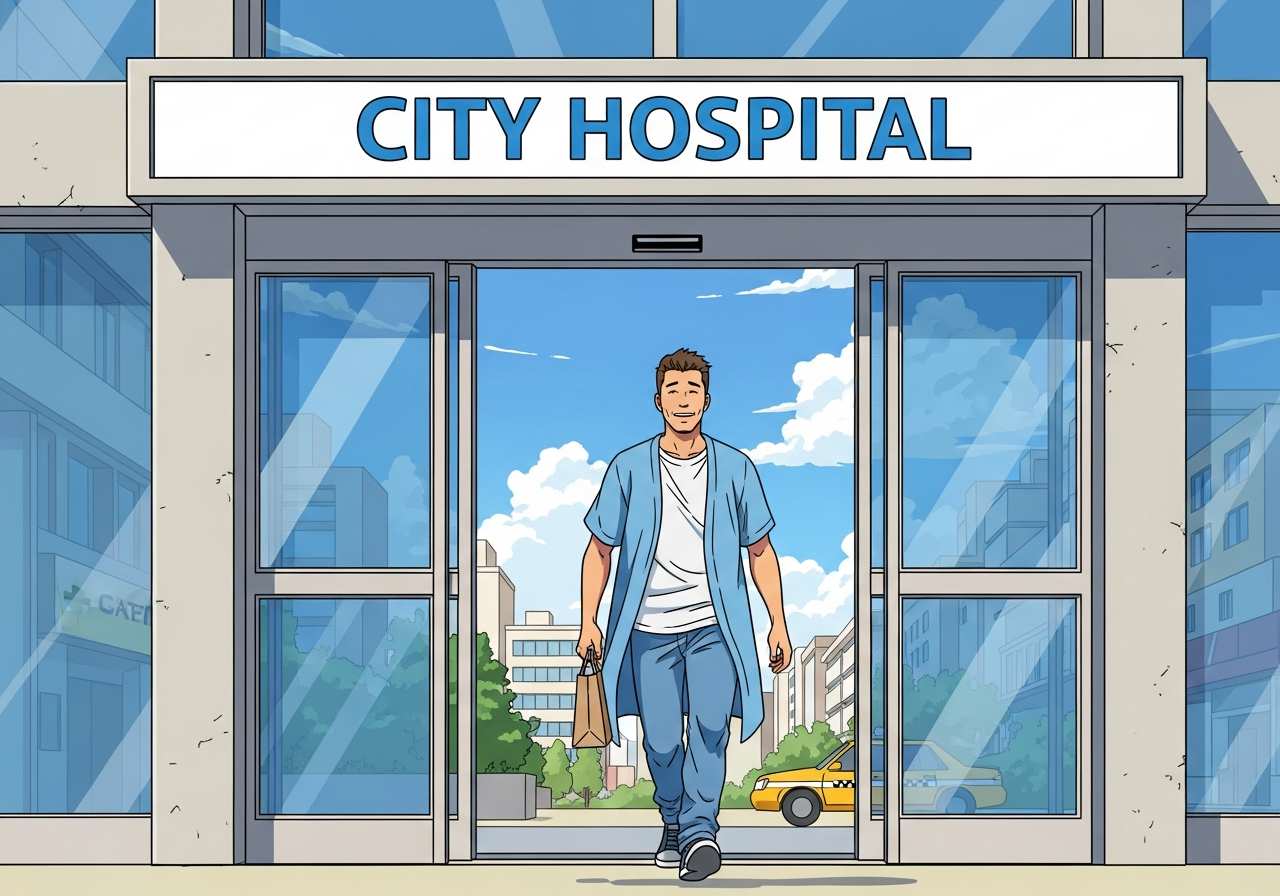
動詞
退院させる、除隊させる、解放する
The doctor discharged him from the hospital after a week of treatment.
医師は1週間の治療後、彼を退院させた。
(液体・気体などを)放出する、排出する
The factory was fined for discharging waste into the river.
その工場は川に廃棄物を排出したとして罰金を科された。
(銃・武器を)発射する
The soldier discharged his rifle at the target.
兵士は標的に向けてライフルを発射した。
(義務・責任などを)果たす、遂行する
She discharged her duties with great professionalism.
彼女は非常にプロフェッショナルに職務を果たした。
名詞
解雇、除隊、退院
He received an honorable discharge from the army after ten years of service.
彼は10年間の勤務の後、名誉除隊を受けた。
排出物、分泌物
The doctor examined the discharge from the wound.
医師は傷口からの分泌物を調べた。
発射、放電
The discharge of the firearm was heard from a distance.
銃の発射音が遠くから聞こえた。
📖語源
古フランス語の descharger に由来し、des-(逆転を表す接頭辞)+ charger(積む)から成る。さらに後期ラテン語の carricare(荷馬車に積む)に遡る。