fringe
//frɪndʒ//房飾り、縁飾り、周辺部
解説
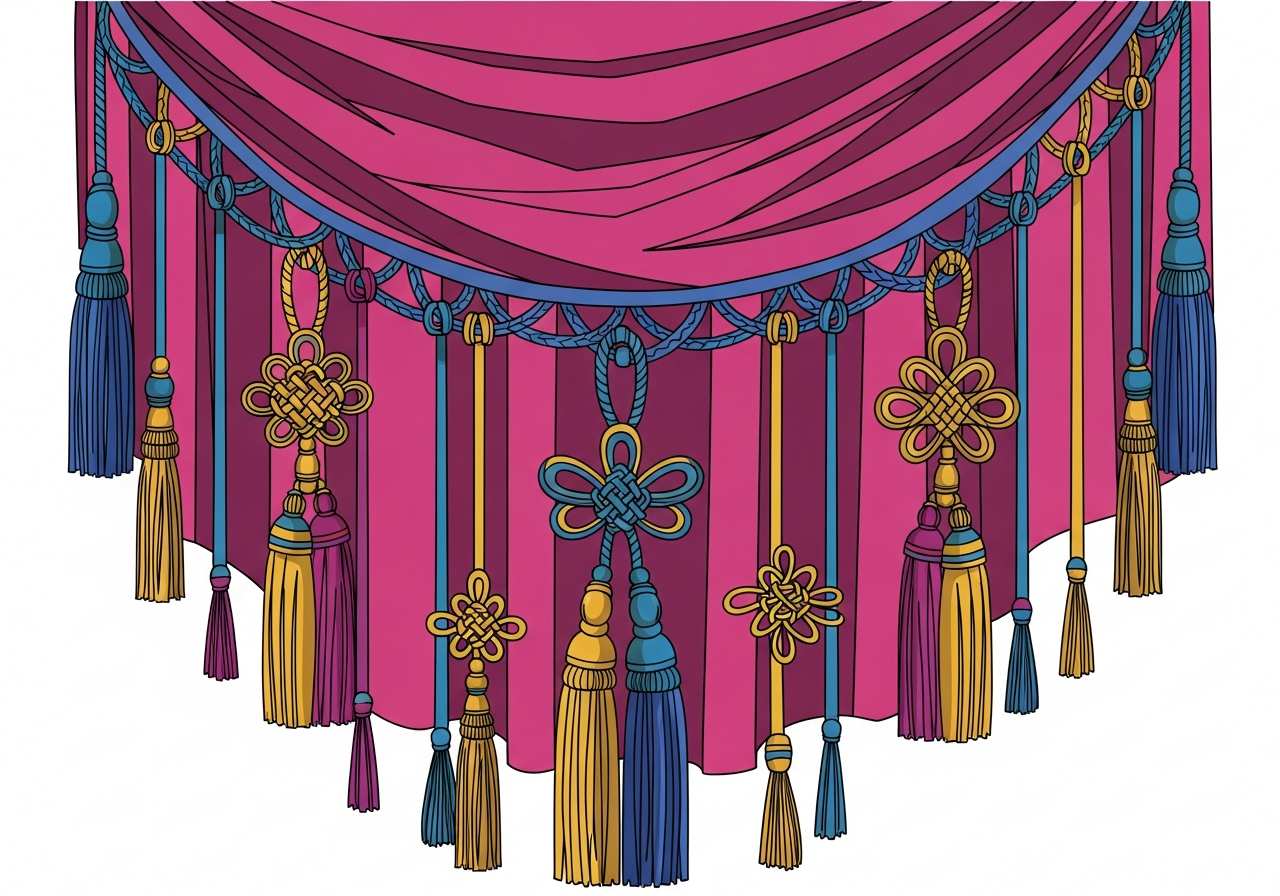
「fringe」は、布や衣服の端に付けられた装飾的な房飾りや縁飾りを指します。また、比喩的に「周辺部」「主流から外れたもの」という意味でも使われます。
名詞
fringe単数形
fringes複数形
1
房飾り、フリンジ
The curtains were decorated with a golden fringe along the bottom edge.
カーテンの下端には金色の房飾りが付けられていた。
2
前髪
She decided to cut a fringe to change her look.
彼女はイメージチェンジのために前髪を切ることにした。
3
周辺、縁、外縁部
They live on the fringe of the city.
彼らは市の周辺に住んでいる。
4
周辺部、非主流派、極端な分野
His political views are on the fringe of the party.
彼の政治的見解は党の非主流派に属している。
動詞
1
~に房飾りをつける、~を縁取る
The curtains were fringed with silk tassels.
カーテンは絹の房飾りで縁取られていた。
2
〜に縁取りをする、〜の縁に沿って並ぶ
Trees fringe the lake on all sides.
木々が湖の周囲すべてに沿って並んでいる。
形容詞
1
主流でない、非主流の、周辺的な、代替的な
He's interested in fringe political movements.
彼は非主流の政治運動に興味がある。
📖語源
中英語の「frenge」から派生し、古フランス語の「frenge」、俗ラテン語の「*frimbia」を経て、ラテン語の「fimbria」(房飾り、繊維、糸)に由来します。