march
//mɑːrtʃ//規則正しく足並みを揃えて歩く、行進する
解説
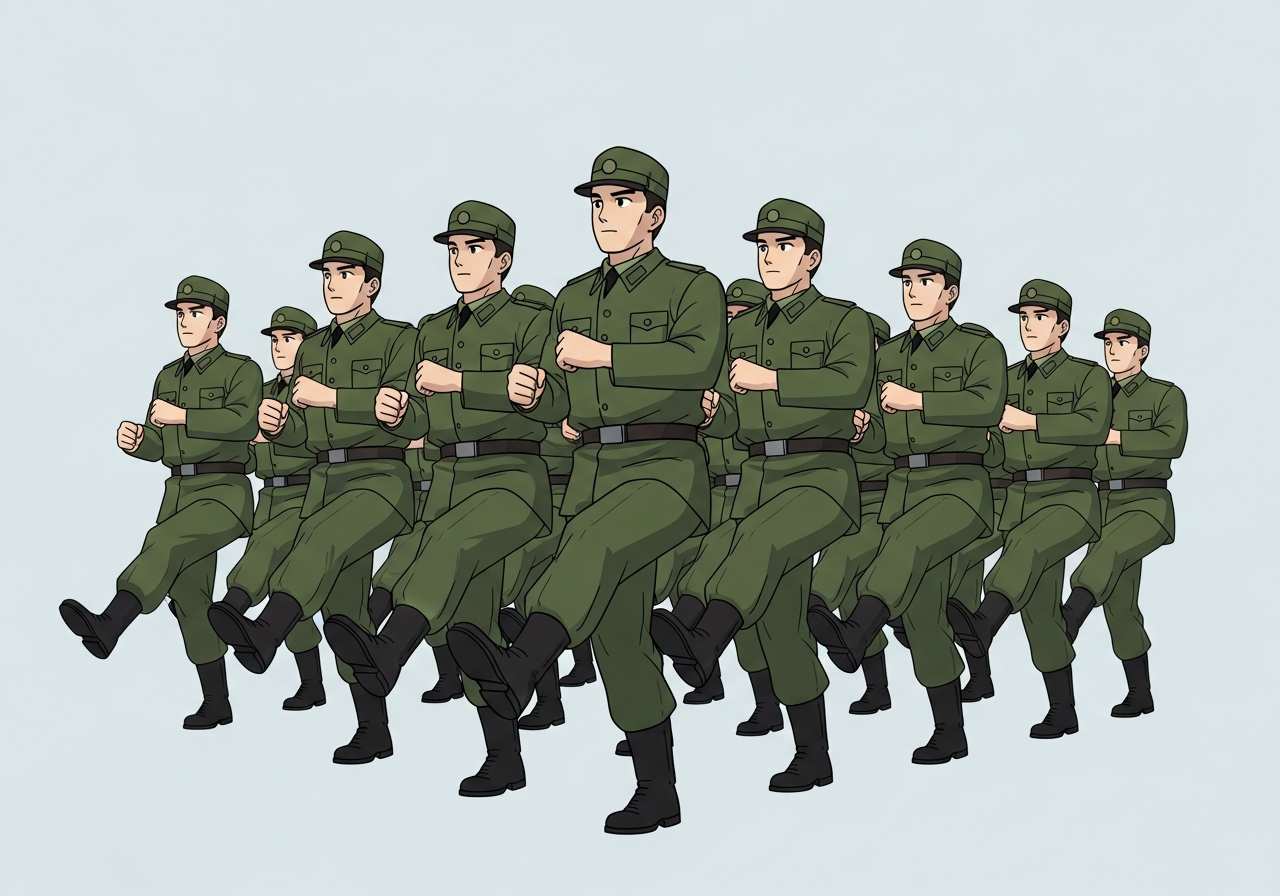
「march」は「行進する」「行軍する」という意味の動詞で、規則正しく足並みを揃えて歩くことを表します。また、「3月」という意味の名詞としても使われますが、これは別の語源を持ちます。
動詞
行進する、行進歩調で歩く
The soldiers marched in formation across the parade ground.
兵士たちは練兵場を隊列を組んで行進した。
怒りや決意を示して堂々と歩く
She marched into the office and demanded to speak to the manager.
彼女はオフィスに堂々と入っていき、マネージャーと話すよう要求した。
(人を)無理やり歩かせる、連行する
The police marched the suspect into the station.
警察は容疑者を署内に連行した。
抗議やデモのために組織的な行進に参加する
Thousands of people marched through the city to protest against climate change.
何千人もの人々が気候変動に抗議するために市内を行進した。
名詞
行進、行軍
The soldiers began their march at dawn.
兵士たちは夜明けに行進を始めた。
デモ行進、抗議行進
Thousands of people joined the march for climate action.
何千人もの人々が気候変動対策を求めるデモ行進に参加した。
行進曲、マーチ
The band played a military march during the parade.
バンドはパレード中に軍隊行進曲を演奏した。
行軍距離、行軍時間
It was a march of three days to reach the border.
国境に到達するまで3日間の行軍だった。
着実な前進、進展
The march of technology has changed our daily lives.
技術の進展が私たちの日常生活を変えてきた。
proper noun
3月
My birthday is in March.
私の誕生日は3月です。
📖語源
中期フランス語の「marcher(歩く、行進する)」から派生し、古フランス語の「marchier(大股で歩く、行進する)」に由来します。さらにフランク語の「*markōn(印をつける、区切る)」から来ている可能性があり、これは原ゲルマン語の「*markōną(印をつける)」に遡るか、またはラテン語の「marcus(ハンマー)」から来ている可能性があります。