strip
//strɪp//剥ぎ取る、取り除く、裸にする
解説
「strip」は、何かを剥ぎ取る、取り除く、または裸にするという意味の動詞です。衣服を脱ぐ、表面の層を剥がす、権利や財産を奪うなど、様々な文脈で使用されます。
動詞
strip不定詞
strip現在形
stripped過去形
stripped過去分詞
stripping現在分詞
strips三人称単数
1
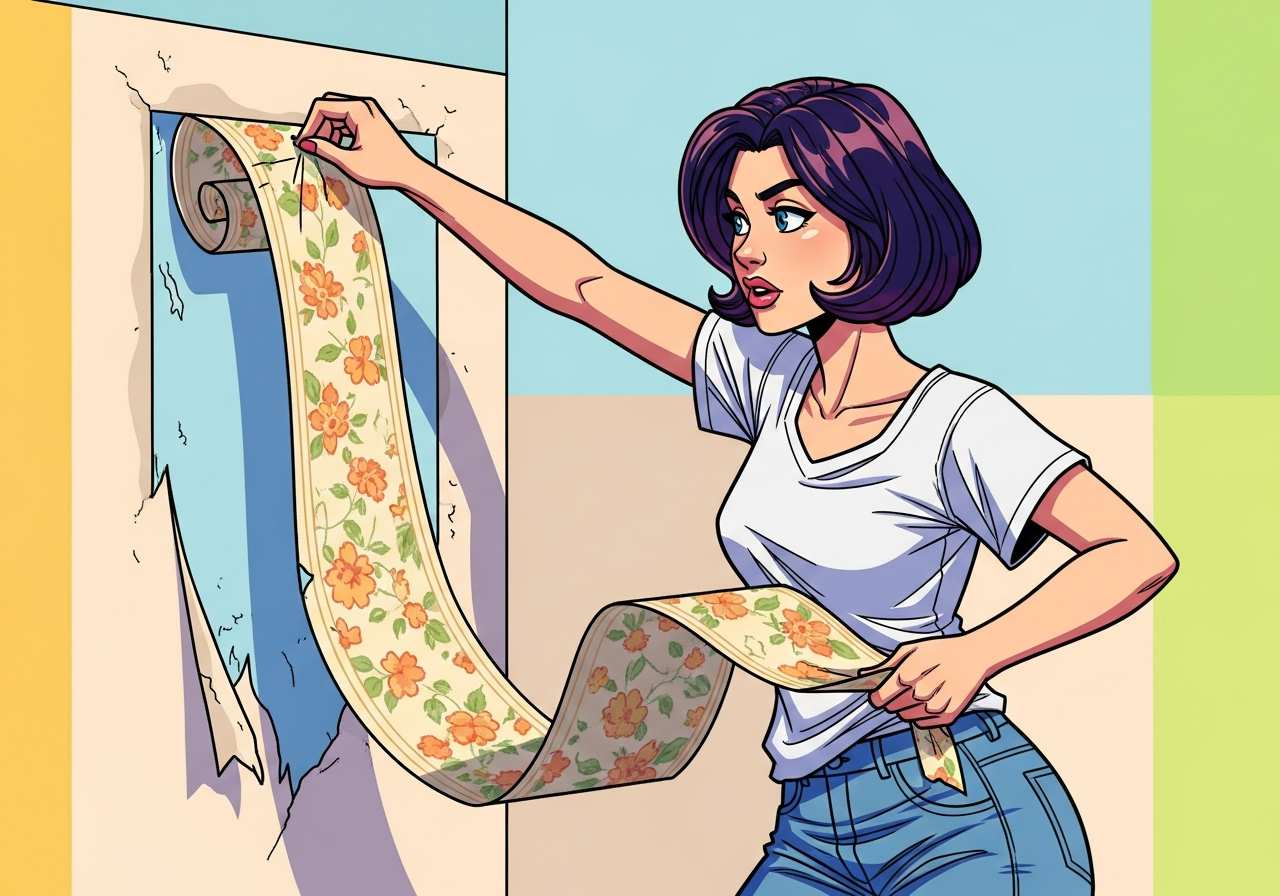
(人・物から)すべての覆いや衣服を取り除く
He stripped the old paint from the walls.
彼は壁から古いペンキをすべて剥がした。
2
(表面から)層や覆いを剥がす、取り除く
We need to strip the old paint from the walls before repainting.
塗り直す前に壁から古いペンキを剥がす必要がある。
3
(人から)財産・権利・称号を剥奪する
The court stripped him of his title and property.
裁判所は彼から称号と財産を剥奪した。
4
(中身や部品を)すっかり取り除く、空にする
The thieves stripped the house of all its valuables.
泥棒たちは家から貴重品をすべて取り去った。
名詞
strip単数形
strips複数形
1
細長い一片
She cut the paper into thin strips.
彼女は紙を細い帯状に切った。
2
細長い土地
A narrow strip of land connects the two islands.
細長い土地が2つの島をつないでいる。
3
連載漫画、コマ漫画
I read the comic strip in the newspaper every morning.
私は毎朝新聞の連載漫画を読みます。
📖語源
中英語の「strippen」から派生し、中期オランダ語の「strippen」または中期低地ドイツ語の「strippen」(剥ぎ取る、略奪する)に由来します。