tie
//taɪ//結ぶ、縛る、固定する
解説
「tie」は「結ぶ」「縛る」という意味の動詞、または「ネクタイ」「結び目」「同点」などを意味する名詞です。物を固定したり、接続したりする際に使われます。
動詞
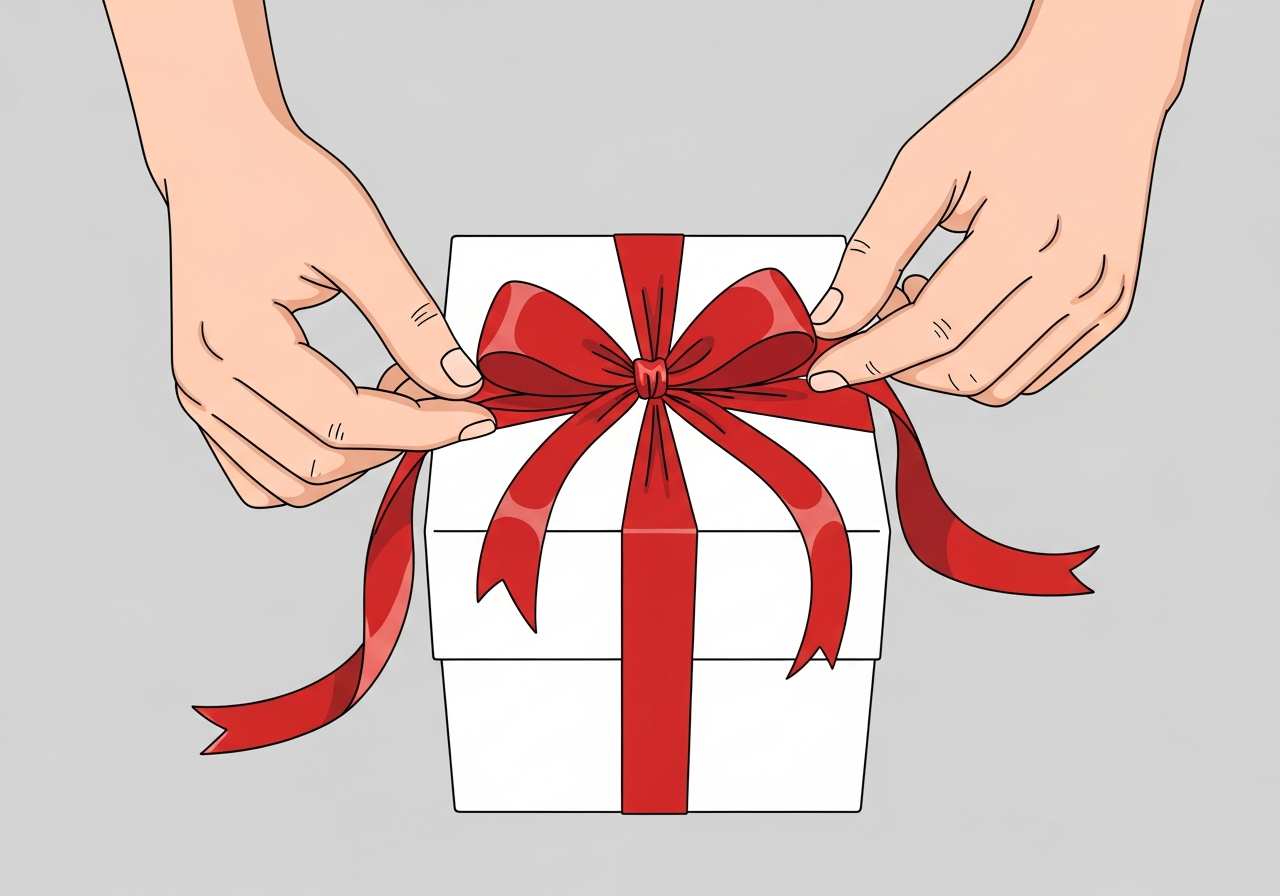
結ぶ、縛る
She tied the ribbon around the gift box.
彼女はギフトボックスにリボンを結んだ。
結ぶ、結び目を作る
She tied her shoelaces before going out.
彼女は外出する前に靴ひもを結んだ。
結びつける、関連付ける
The study ties pollution to health problems.
その研究は汚染と健康問題を結びつけている。
(人の)自由や動きを制限する、束縛する
The new job ties me to the office all day.
新しい仕事で一日中オフィスに縛られている。
同点になる、引き分ける
Both teams tied with a score of 2-2.
両チームは2対2で引き分けた。
名詞
ネクタイ
He wore a blue tie to the interview.
彼は面接に青いネクタイを着けていった。
ひも、結びひも
She used a tie to secure the bag.
彼女はひもを使って袋を縛った。
つながり、結びつき、関係
The company has strong ties with local businesses.
その会社は地元企業と強い結びつきがある。
同点、引き分け
The game ended in a tie.
試合は引き分けに終わった。
つなぎ材、連結材
The steel ties hold the walls together.
鋼鉄のつなぎ材が壁を固定している。
📖語源
古英語の tēag(ロープ、紐)に由来し、ゲルマン祖語の *taugō から派生しました。現代の意味は中英語の teyen(結ぶ、縛る)の影響を受けています。