trail
//treɪl//小道、痕跡、足跡;引きずる、追跡する
解説
「trail」は、人や動物が通ることでできた小道や痕跡を指す名詞、または何かを引きずる・後を追うという意味の動詞として使われます。ハイキングコースや足跡、煙の筋などを表現する際によく用いられます。
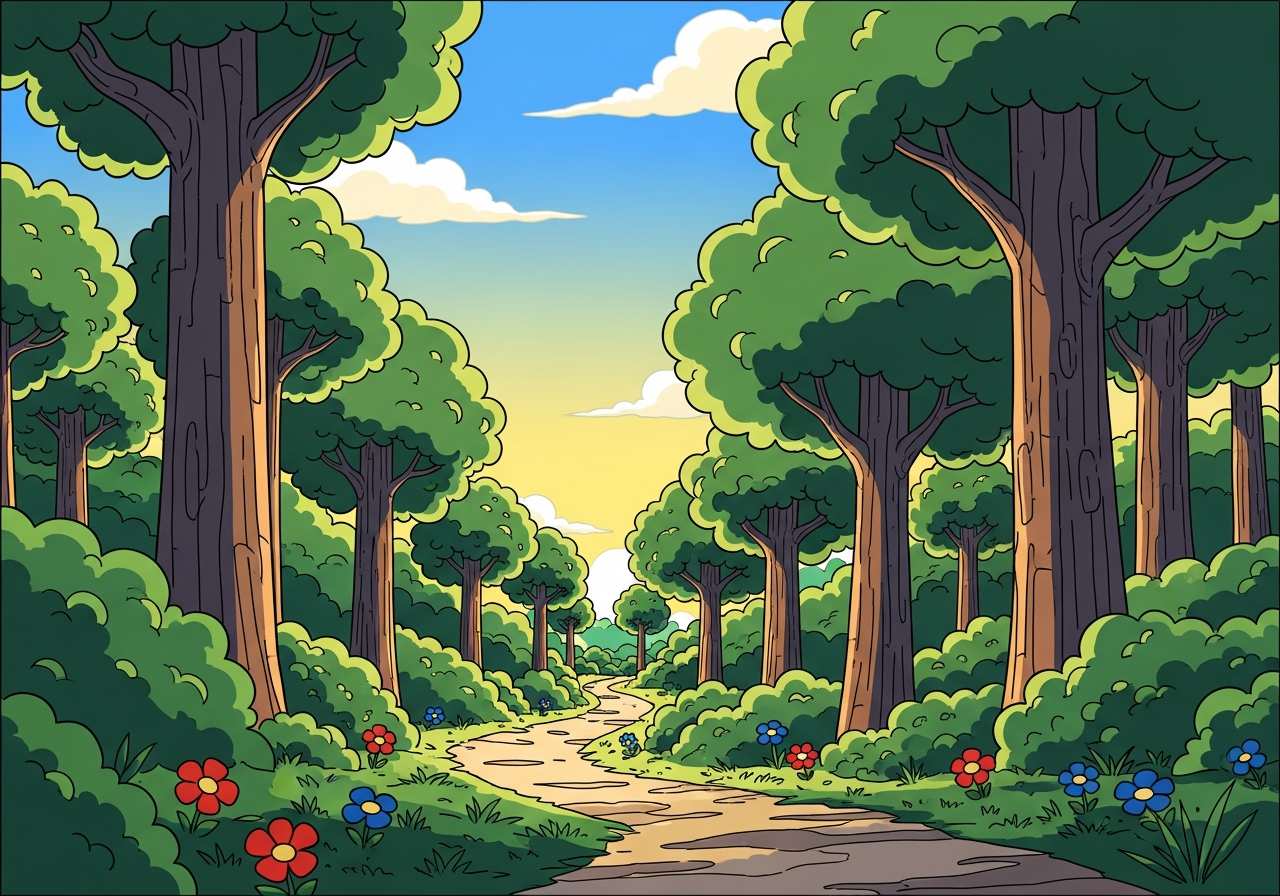
名詞
小道、トレイル、遊歩道
We followed a narrow trail through the forest.
私たちは森の中の細い小道をたどった。
跡、痕跡、足跡
The hikers followed the trail of footprints in the snow.
ハイカーたちは雪の中の足跡の跡をたどった。
経路、進路
The hurricane followed a trail across the ocean.
ハリケーンは海を横切る経路をたどった。
動詞
(人や物の)後をゆっくりついて行く
The children trailed behind their parents at the museum.
子供たちは美術館で両親の後をゆっくりついて行った。
引きずる、引きずられる
Her long dress trailed along the ground as she walked.
彼女が歩くと、長いドレスが地面に引きずられた。
~の跡を追う、~を追跡する
The hunters trailed the deer through the forest.
ハンターたちは森の中で鹿の跡を追った。
(競技・試合で)負けている、後れを取っている
Our team is trailing by 10 points at halftime.
ハーフタイムの時点で我々のチームは10点差で負けている。
📖語源
中英語の「trailen」から派生し、古フランス語の「trailler」(引っ張る、引きずる)に由来します。さらに遡ると、俗ラテン語の「*tragulare」、ラテン語の「tragula」(引き網、そり)に起源を持ちます。